01Find the cause before repairing the surface
A crack, stain or sag can indicate movement, moisture, a failed fastener or an access cut. Confirm that leaks and concealed damage are resolved before new board, joint treatment or paint covers the evidence.
02Decide whether to repair, skim or replace
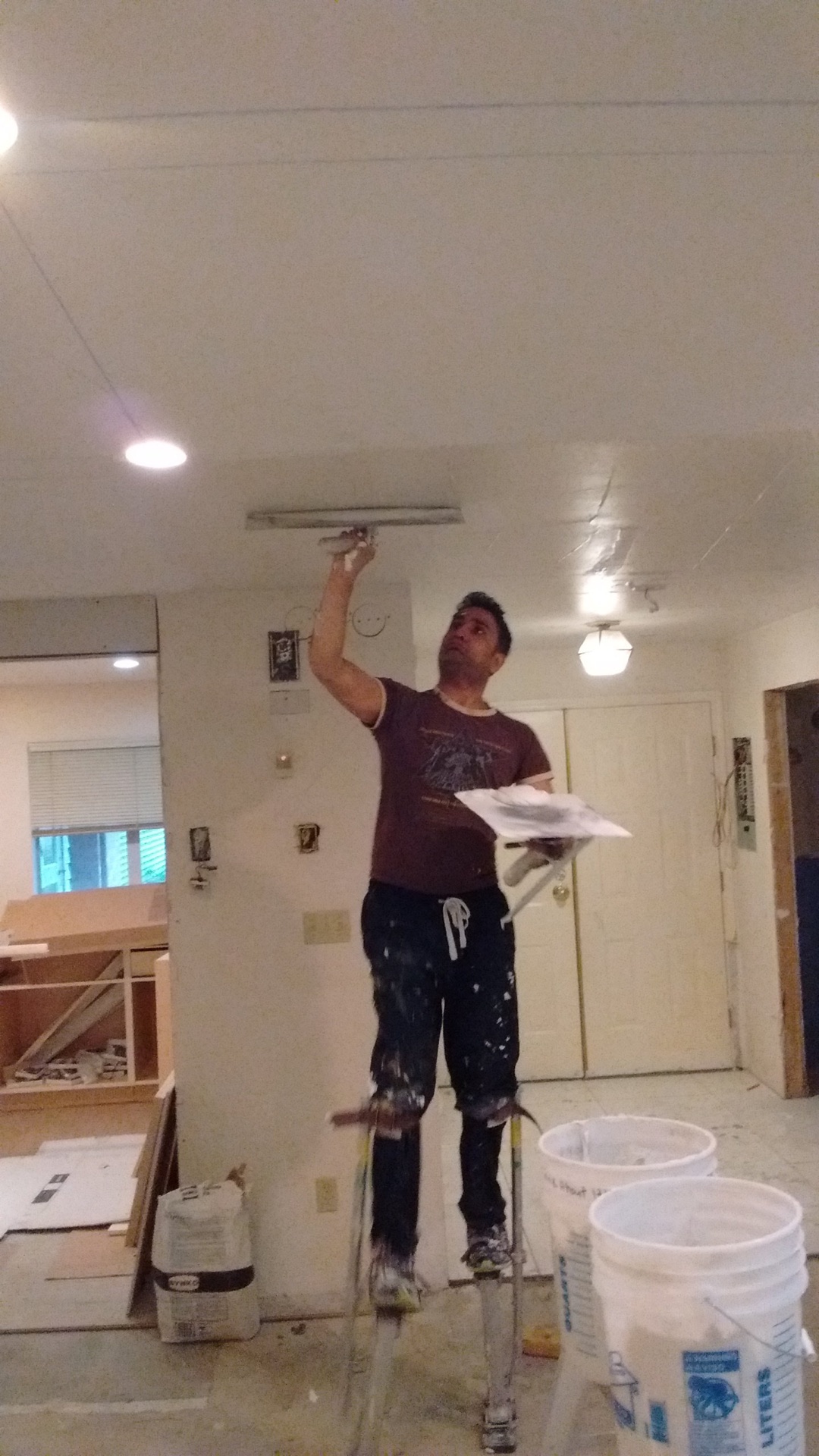
A stable, well-adhered ceiling can often be prepared and skimmed. Loose texture, extensive damage, poor adhesion, major unevenness or required service work can make selective removal or new board more predictable. A test area helps expose coating and bond problems.
03Match the finish to the lighting
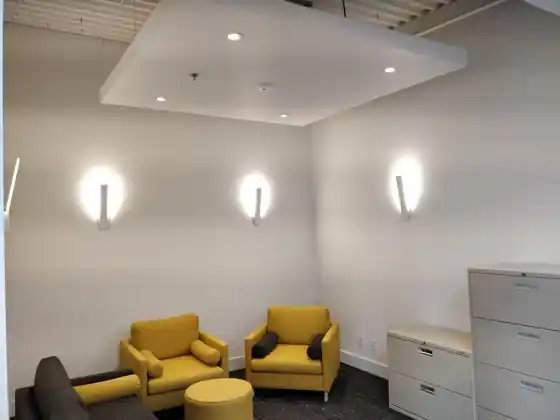
Windows and low-angle fixtures reveal joint buildup, sanding marks and surface variation. Level 4 may suit ordinary painted conditions; critical light or demanding finishes may justify Level 5 treatment. Expectations, primer, paint sheen and lighting should be discussed together.
04Texture work requires controlled blending
Popcorn, knockdown, orange peel and hand-applied textures use different materials and techniques. A repair should reproduce scale, density and edge transition before repainting the affected ceiling area.