ACUSTIQ.
LEGACY CEILING KNOWLEDGE / ACOUSTIC SYSTEMS

Acoustic Ceilings

Acoustic ceilings are complete assemblies, not decorative panels added at the end. The panel or baffle, suspension, airspace, perimeter, services and room surfaces all affect the result. This restored trade guide connects the original SteelStud.ca ceiling work with current ACUSTIQ system pages and real Rambo Walls & Ceilings installations.

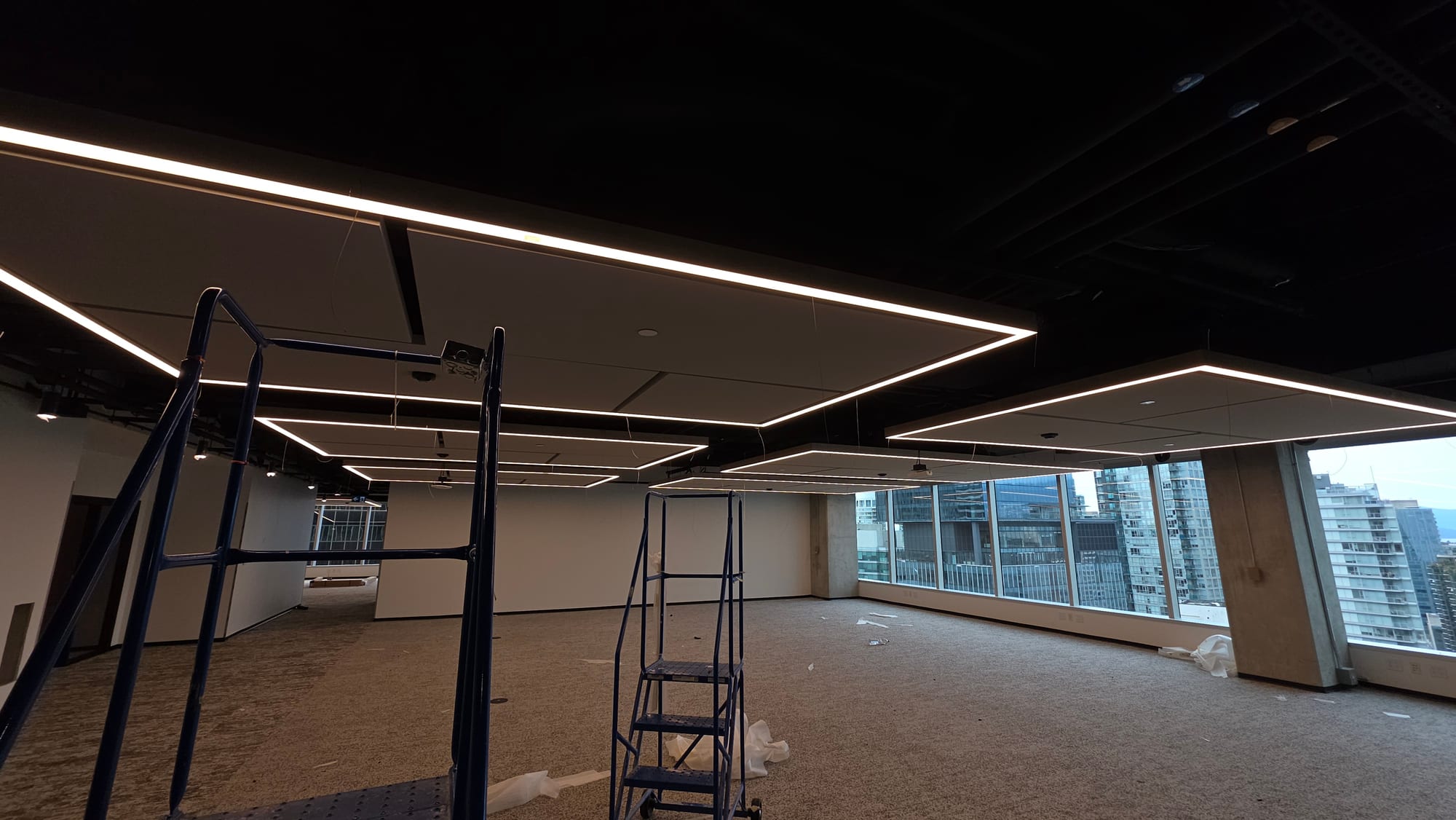
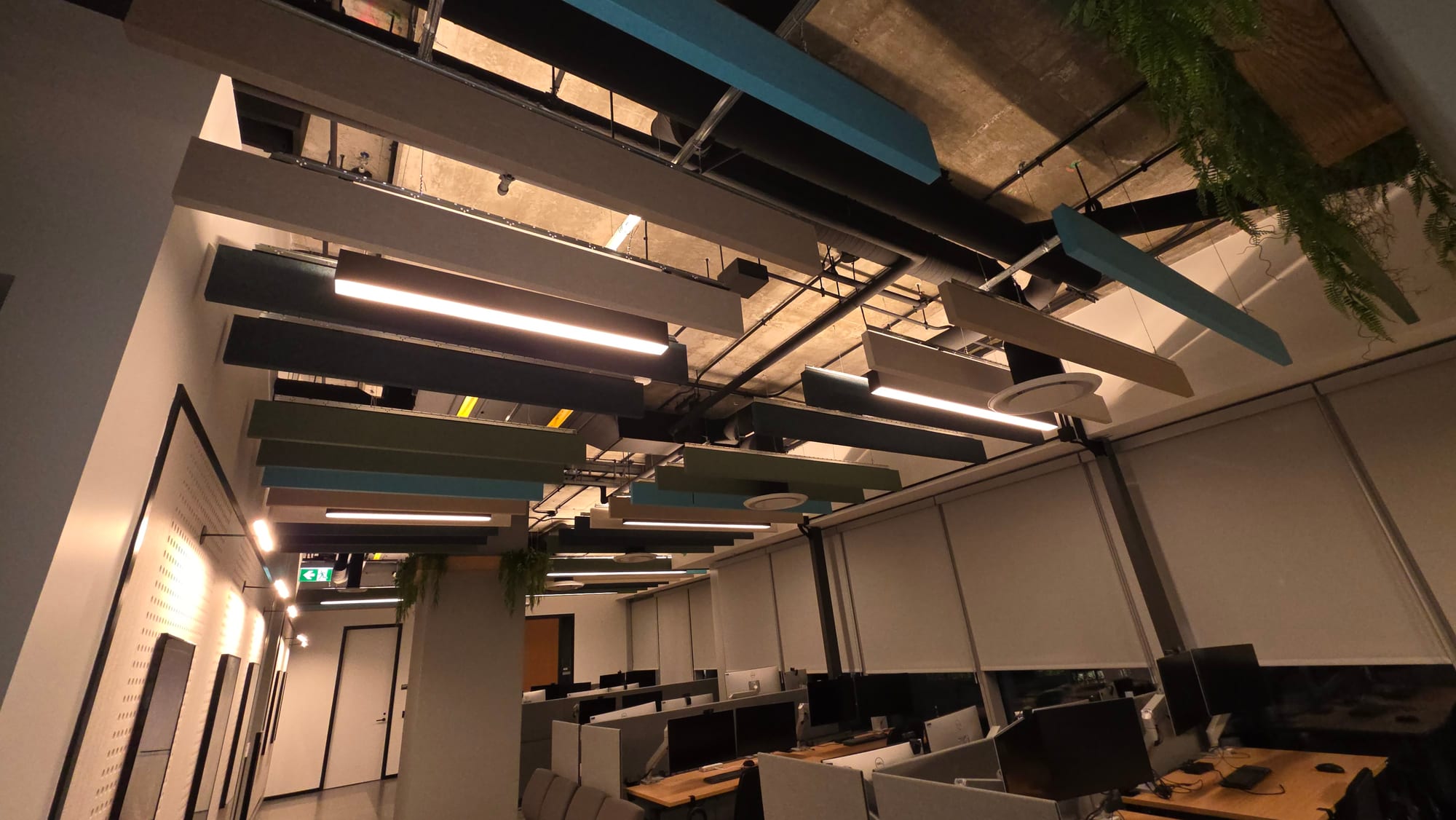
Suspended acoustic cloud ceiling installed by Rambo Walls and Ceilings
Rambo Walls & Ceilings · Microsoft acoustic clouds
RESTORED TRADE GUIDE

What matters on the ceiling.

01

Choose the acoustic approach from the room problem

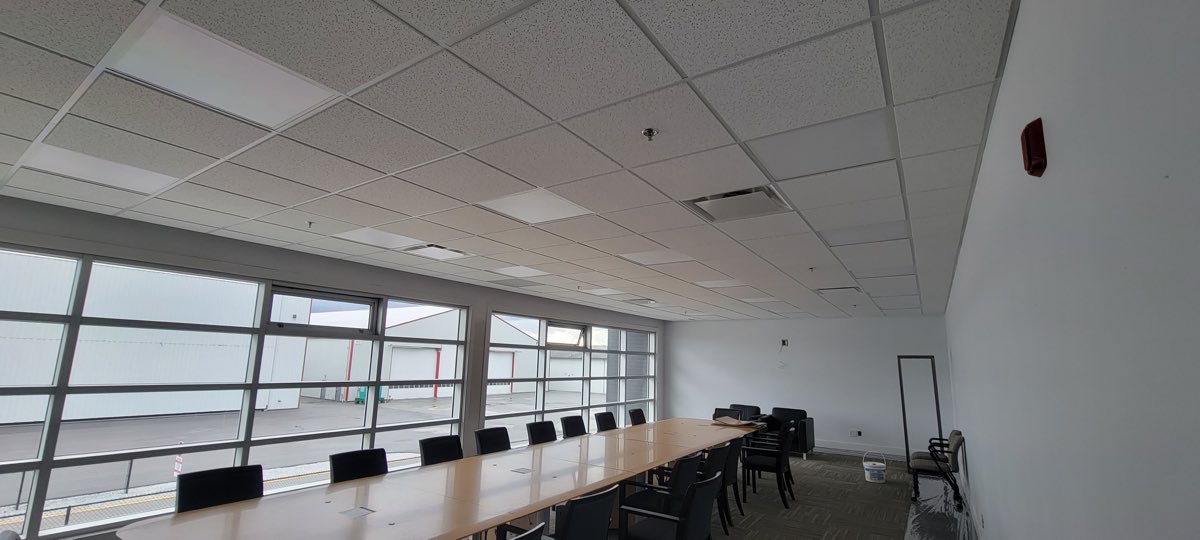
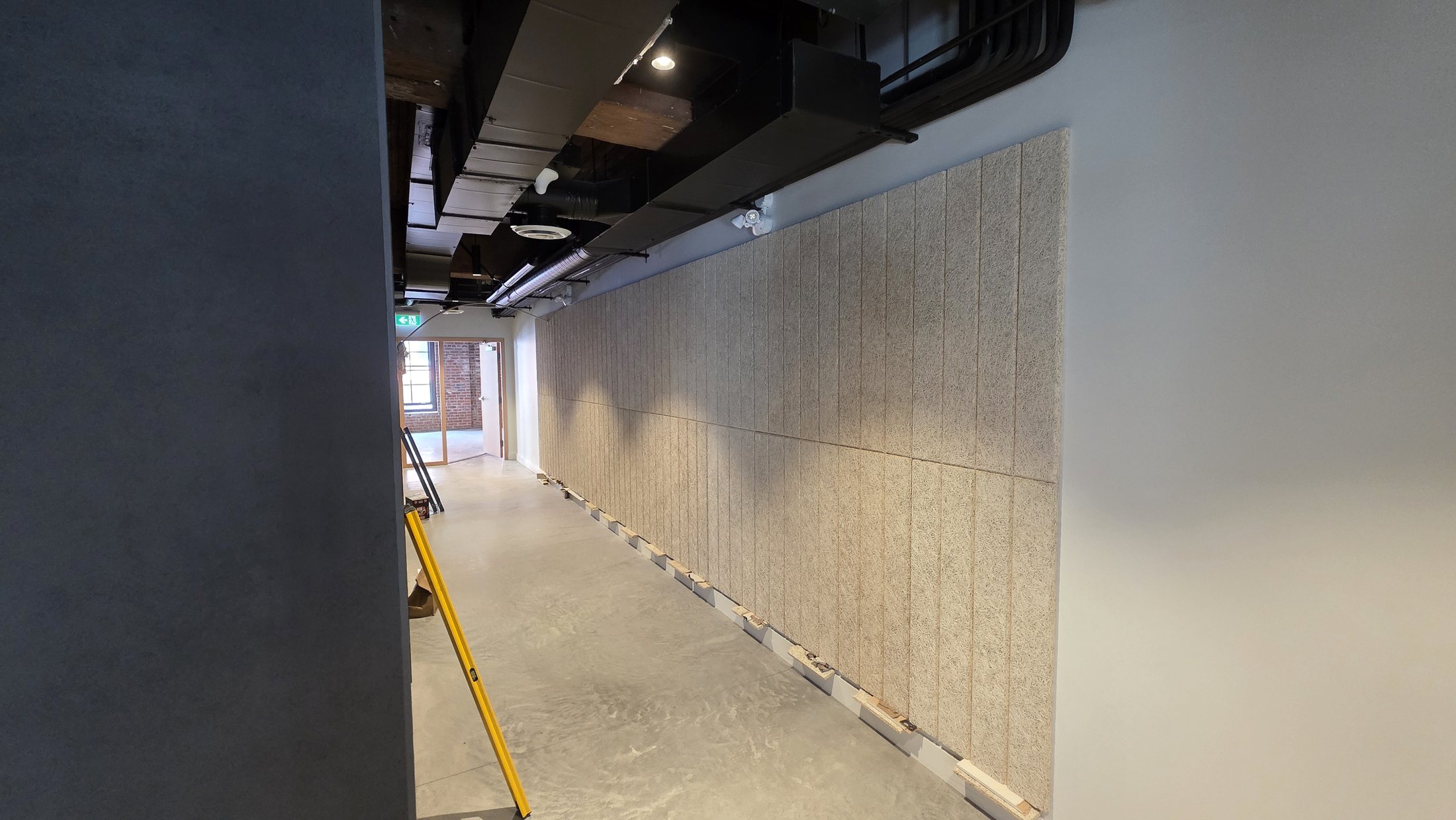
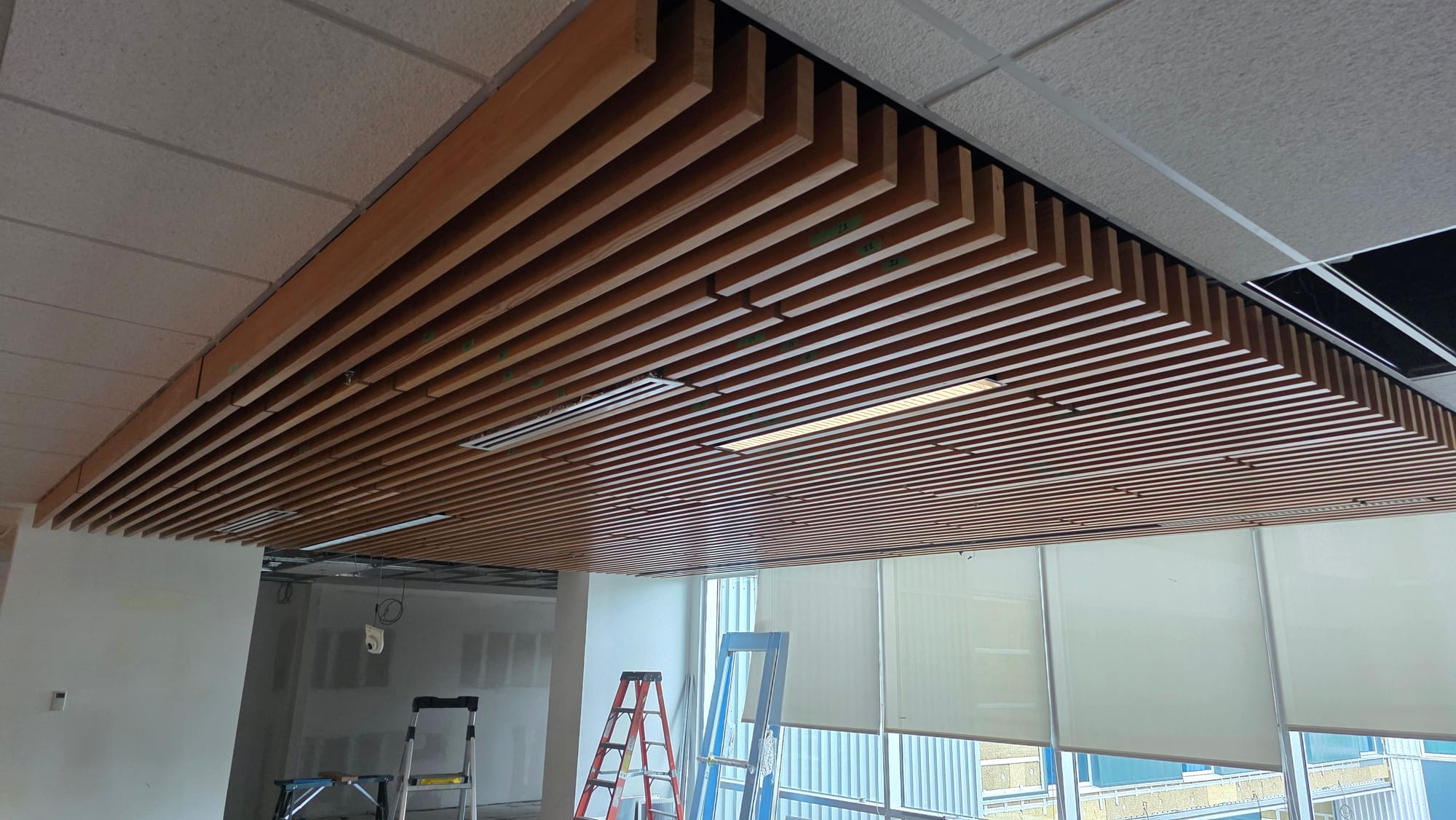
T-bar panels create an accessible finished plane. Clouds and baffles add exposed absorptive surface below an open structure. Direct-applied panels treat selected wall or ceiling areas. Linear wood and perforated metal can combine architectural finish with acoustic backing. The right family depends on reverberation, ceiling height, access, impact, maintenance and visual intent.

02

Keep ratings tied to the tested assembly

NRC describes sound absorption under a stated mounting condition. CAC addresses sound passing through a ceiling plenum between rooms. STC applies to complete separating assemblies. A product number should never be separated from the construction and mounting used to produce it.

03

Coordinate every ceiling penetration

Lights, diffusers, sprinklers, speakers, signs and access panels share the same plane. Their positions affect module balance, suspension and acoustic coverage. Resolve them before the ceiling grid, carrier or hanging points are fixed.

04

Use real installation references

The galleries show actual baffles, clouds, T-bar ceilings, wood systems and acoustic wall panels. Unknown products and addresses remain unnamed until confirmed; the photographs are evidence, not a reason to invent project details.
FIELD CHECKLIST

Confirm before installation.

  • Room volume and reverberation goal
  • System type and tested mounting
  • Ceiling height and plenum access
  • Lighting, HVAC and sprinkler coordination
  • Panel durability, cleaning and replacement
  • Perimeters, transitions and suspension
FIELD QUESTIONS

Acoustic Ceilings FAQ.

Which acoustic ceiling works best in an office?

T-bar is practical where access is important. Clouds, baffles, felt panels and wood systems can suit open offices and feature areas. The choice depends on the room, services, acoustic target and architectural intent.

Do acoustic panels soundproof a room?

No. Absorptive finishes reduce reflected sound inside a room. Sound isolation between rooms depends on complete wall, floor and ceiling assemblies and the control of flanking paths.

Can acoustic ceilings include integrated lighting?

Yes. Lighting can sit within a grid module, between baffles, through cloud assemblies or within custom framing when the layout, loading and access are coordinated.